















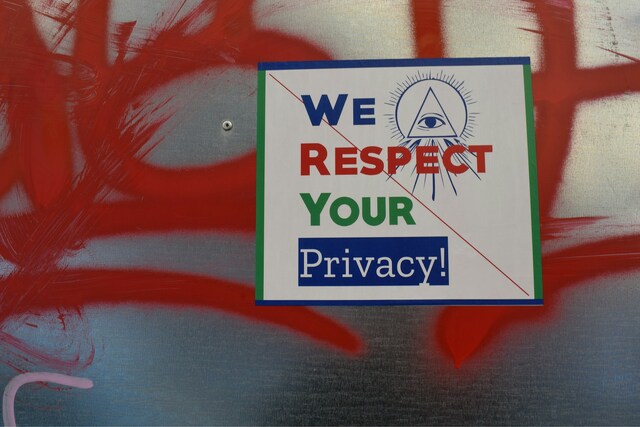
A new crop of AI-powered smart glasses is rekindling an old anxiety: the prospect of being recorded in public without consent. The devices promise hands-free convenience—snapping photos, capturing video and answering prompts—but their always-ready cameras and microphones are raising alarms among privacy advocates and ordinary bystanders.
Some employers and venues are moving to restrict wearables on premises, citing compliance and confidentiality risks. Consumers, meanwhile, are turning to tools that claim to detect hidden cameras, underscoring a trust gap reminiscent of the backlash to Google Glass a decade ago. Civil-liberties groups warn that subtle design cues like tiny LEDs aren’t enough to alert people nearby, and they argue that the technology can normalize casual surveillance and accelerate the spread of facial recognition.
Manufacturers say they’ve built in safeguards and controls and that visible recording indicators and app permissions help protect privacy. Policymakers are beginning to weigh whether existing wiretapping, eavesdropping and data-protection laws adequately cover ubiquitous, body-worn cameras. The debate pits convenience and innovation against shifting social norms and expectations of anonymity in public spaces—an unresolved tension likely to shape how and where AI glasses are used.
Related articles:
Smartglasses
Google Glass
Right to privacy in the United States
Facial recognition system
Surveillance