
















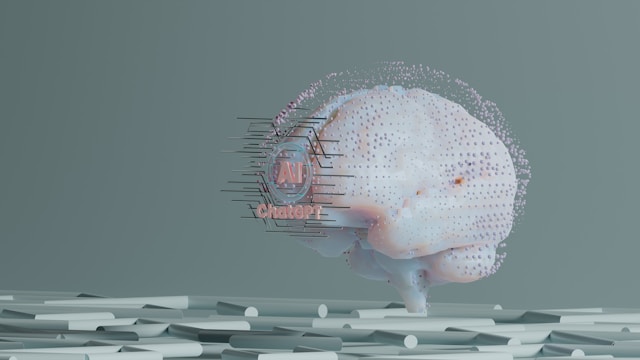
MIT doctoral researcher Miranda Schwacke is developing electrochemical devices that mimic the brain’s synapses to cut AI’s ballooning energy costs. Working with advisor Bilge Yildiz, she explores magnesium-ion-based synapses in tunable tungsten oxide to process and store data in the same place—an approach aimed at avoiding the energy-hungry data shuttling in conventional chips. The project straddles electrochemistry and semiconductor physics, a rare pairing that could underpin next-generation, low-power “in-memory” computing for AI. Backed by MathWorks fellowships, Schwacke focuses on device stability, speed, and compatibility with chip fabrication, while drawing on cross-disciplinary collaborations. The bet: brain-inspired hardware can help sustain AI’s growth without unsustainable power demands—and train the next wave of researchers to build it.
How brain-inspired computing could make AI more sustainable
- Trending
- Comments
- Latest