














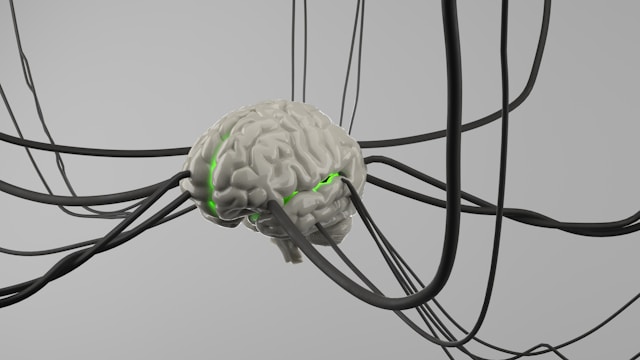
Researchers at UCLA reported that adding an AI “co-pilot” to a noninvasive brain-computer interface enabled a man with partial paralysis to control a robotic arm and markedly improve performance on on-screen tasks. In tests published in Nature Machine Intelligence, four participants used the system to move a cursor, with the AI boosting speed and success rates; in a robotic task, the participant with paralysis succeeded 93% of the time with the AI assist versus failing with the standard setup. The approach uses shared autonomy, allowing the AI to infer user intent and reduce the decoding burden of scalp-based signals, which are typically less precise than implanted systems. The results highlight a potential path to more accessible assistive devices without brain surgery, though the study was small and remains early-stage. Broader trials and regulatory scrutiny will be key before commercialization.
Related articles:
Walking naturally after spinal cord injury using a brain–spine interface
High-performance brain-to-text communication via handwriting
Reach and grasp by people with tetraplegia using a neurally controlled robotic arm