

















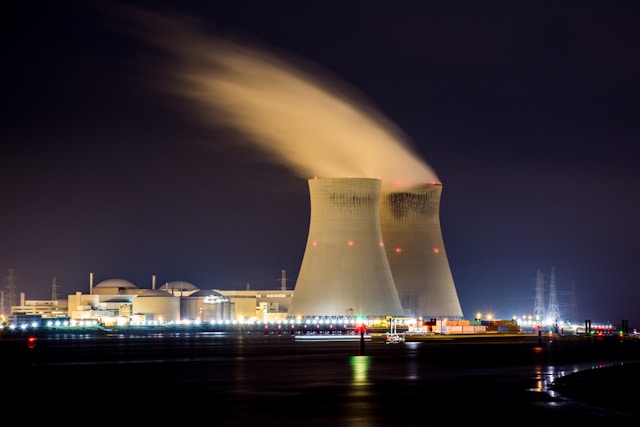
Tech’s infrastructure push is running headlong into local politics and power constraints. Communities from Indiana to Virginia are resisting sprawling data center campuses, citing heavy water use, round-the-clock noise and light, and the risk of higher electricity bills. The stakes are rising as AI drives a historic buildout: the IEA says a typical AI facility can draw as much power as 100,000 homes, with mega-sites planned to consume far more, while Goldman Sachs projects AI will reach 28% of the global data center market by 2027. Utilities face costly grid upgrades—one analysis pegs 2024 transmission costs tied to data centers at $4.3 billion across several Mid-Atlantic and Midwest states. Developers tout jobs, tax revenue and cleaner operations, including reclaimed-water cooling and nuclear or renewable power deals, but communities question transparency and long-term benefits. Policy tensions are sharpening as the Trump administration cools on renewables even as the sector seeks fast, affordable low-carbon generation. How siting, permitting and power sourcing are resolved will shape U.S. competitiveness in AI—and local bills and water supplies.
Related article:
Lawrence Berkeley National Laboratory: Center of Expertise for Energy Efficiency in Data Centers