















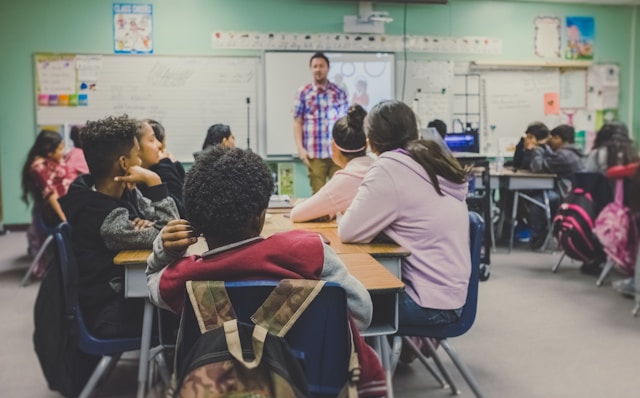
A sweeping Brookings Institution review spanning 50 countries concludes that generative AI in K–12 classrooms poses developmental and equity risks that currently outweigh its benefits, even as it offers notable productivity gains for teachers and language support for students. The report warns that “cognitive off-loading” to chatbots is eroding content knowledge, critical thinking and creativity, and flags social-emotional harms from inherently sycophantic systems amid rising teen use of AI for companionship. While AI can expand access—reaching excluded learners, such as Afghan girls, and aiding students with disabilities—Brookings cautions that high-quality models cost more, threatening to widen inequalities as affluent districts buy more accurate tools. Authors urge regulators to set child-centered guardrails on privacy and development, vendors to co-design with educators and build systems that challenge users, and schools to pivot from transactional grading to curiosity-driven learning, coupled with robust AI literacy. With U.S. policy still fragmented and funding gaps persistent, the study argues the time to act is now.
Related article: