















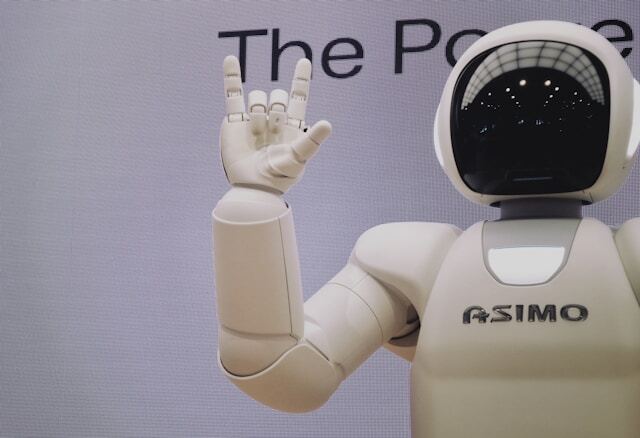
In a move underscoring China’s ambition to lead in artificial intelligence, Beijing hosted the first-ever World Humanoid Robot Games, gathering 500 robotic competitors from 16 nations. The robots, controlled by human handlers, vied in 26 sports ranging from soccer to kickboxing and even showcased service-oriented tasks such as medicine sorting. While the machines frequently faltered and stumbled, the event marked significant progress in dexterity, endurance, and practical skills. The tournament, heavily promoted by the Chinese government, highlighted the intensifying technological rivalry between the U.S. and China, with each nation advancing different governance and development models for AI. While the U.S. maintains a research advantage, China’s state-backed drive aims for mass production and wider societal integration of humanoids in everyday life. The event drew significant public attention, symbolizing how robotics may soon transform industries and society, even as true autonomy in AI remains on the horizon.
China Hosts Landmark Humanoid Robot Sports Games Amid Intensifying AI Rivalry
- Trending
- Comments
- Latest