















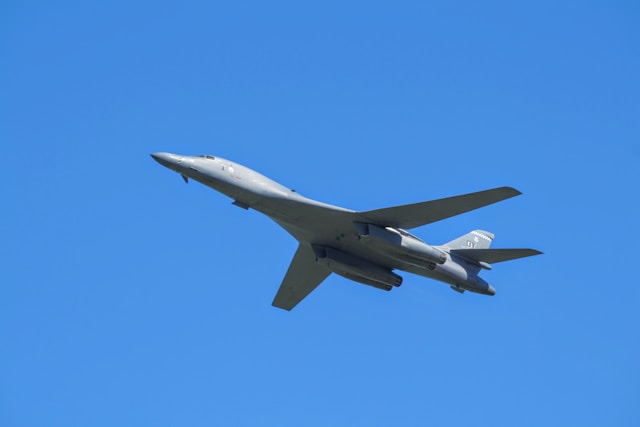
The U.S. Air Force is fast-tracking AI-enabled “wingmen” to fly and fight alongside human pilots, betting that autonomy can offset China’s numerical advantages in a Pacific conflict. At Eglin Air Force Base, pilots are trialing the XQ-58 drone and AI-enabled F-16s that can execute basic air-combat maneuvers and potentially conduct strikes, with humans retaining veto authority—for now. Senior leaders say AI systems can process vast data streams and take risks that manned jets cannot, while promising unit costs of $20 million to $30 million. The service aims to field around 150 AI-piloted aircraft by decade’s end, scaling to as many as 1,000. But questions loom over reliability and ethics: commanders warn that fully autonomous lethal decisions remain politically and technically fraught, even as adversaries may push ahead. For the Air Force, trust will be built by repeated tests, not declarations.
Related articles:
Kratos XQ-58 Valkyrie
Unmanned combat aerial vehicle
Manned-unmanned teaming
Lethal autonomous weapon