






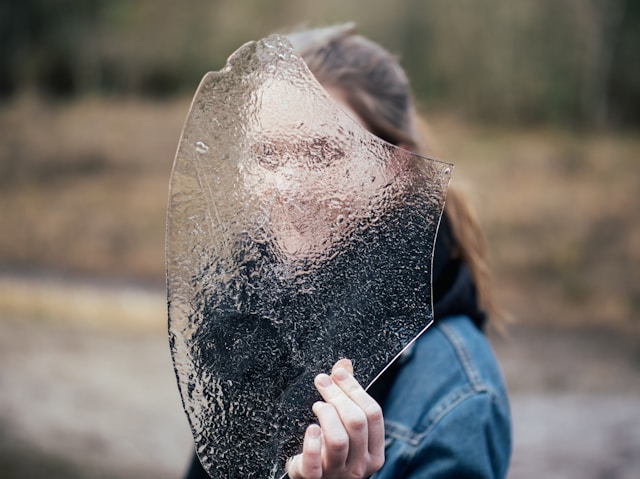
AI-powered beauty filters and image-editing tools are setting a new, homogenized aesthetic standard—sharp jawlines, lifted eyes, tiny noses, poreless skin—that patients are increasingly asking plastic surgeons to replicate. Surgeons report more consultations driven by AI-edited selfies, creating unrealistic expectations and longer counseling sessions, as well as heightened screening for body dysmorphic disorder. The shift is boosting demand for minimally invasive procedures and prompting clinics to adopt imaging software to better manage outcomes and mitigate legal risk. Professional groups and some regulators are beginning to scrutinize the use of filters and marketing claims, but standards vary widely. For now, doctors say AI is standardizing beauty around a synthetic look that real anatomy and safe procedures can only approximate—leaving the industry to balance booming interest with ethical and practical constraints.
Related article: