














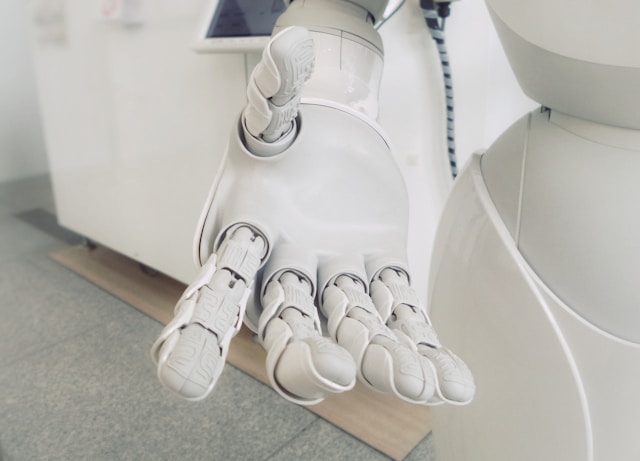
Researchers at Carnegie Mellon University have achieved a breakthrough in brain-computer interface (BCI) technology, developing a noninvasive system that enables users to control a robotic hand using only their thoughts. By leveraging electroencephalography (EEG) sensors placed on the scalp and sophisticated AI-driven deep learning algorithms, individuals can direct finger-level movements in real time without surgery. The innovation offers new hope for people with motor impairments, promising intuitive control and broad accessibility in both clinical and home settings. While the accuracy of finger movements currently hovers above 80% for two-finger actions, ongoing refinement in neural data processing and adaptation to individual brain patterns could further unlock the transformative potential of thought-driven assistive devices.
Thought-Controlled Robotic Hand Powered by Noninvasive Brain Tech and AI
- Trending
- Comments
- Latest