












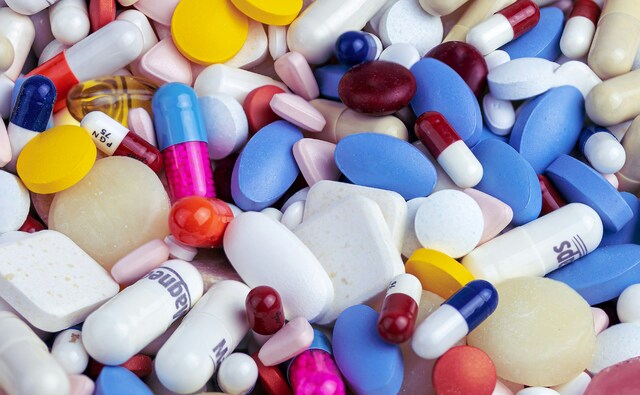
As drug-resistant infections surge, researchers are turning to artificial intelligence to accelerate antibiotic discovery. Using machine learning and generative models, labs can now design tens of thousands of antimicrobial peptides in minutes and winnow them with predictive ranking, drastically compressing timelines once measured in years. Early results are promising: dozens of synthesized candidates kill bacteria in dishes and a few work in mouse models, with limited toxicity signals. But none has reached human testing, and basic hurdles—chemical instability, complex synthesis routes, and production costs—could slow translation. With the CDC reporting a 69% jump in dangerous infections since 2019 and global deaths tied to resistance topping a million annually, the race is on to convert AI’s rapid ideation into safe, manufacturable drugs that clear clinical and regulatory bars.
Related articles:
Antimicrobial resistance fact sheet
A new antibiotic kills pathogens without detectable resistance
Antibacterial drug discovery in the age of resistance