















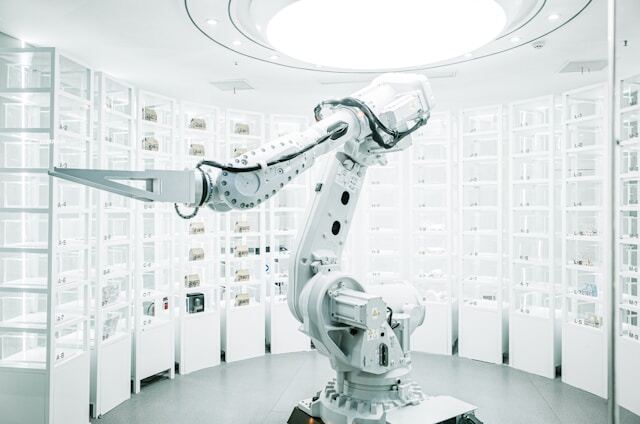
MIT researchers, working with warehouse-automation firm Symbotic, unveiled a hybrid AI system that cuts robot gridlock by learning which machines should get right of way as conditions change. The approach pairs deep reinforcement learning to set priorities with a fast classical planner that issues real-time routes, delivering roughly a 25% throughput gain in simulations modeled on e-commerce facilities. The system adapts to new floor plans and robot densities and aims to avert slowdowns before they ripple across operations—an efficiency boost that can translate into significant dollars at scale. While not yet deployed commercially, the team plans to extend the framework to include task assignment and to scale to thousands of robots. The work, published in the Journal of Artificial Intelligence Research, was funded by Symbotic.
Related article:
The new face of warehouse automation: swarms, arms, and AMRs