









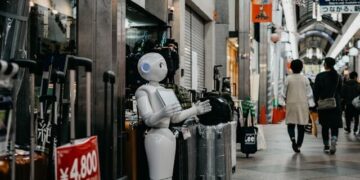





U.S. retailers are rapidly deploying artificial intelligence across stores and back offices, spurring worker pushback and fresh calls for regulation. A National Retail Federation survey of AI leaders found most chains have implemented or plan to expand AI for tasks from loss prevention to pricing and scheduling. Companies including Macy’s, Target, Home Depot and Costco have adopted license plate readers and other surveillance tools, while Wegmans and others use facial recognition, raising privacy concerns for shoppers and staff. Employers are also turning to AI in hiring—Whole Foods’ “Sage” agent screens applicants—and in labor management that can trim hours. Large-scale layoffs tied to AI haven’t materialized broadly, Stanford researchers say, but Kroger plans to eliminate 3,000 corporate roles over three years, citing efficiency gains from AI; grocers are also rolling out electronic shelf labels that could further reduce headcount. Unions argue AI-enabled surveillance and pricing squeeze workers and consumers, intensifying pressure on policy makers for safeguards around data use, transparency and employment impacts.
As AI Expands Across U.S. Retail, Pressure Builds for Guardrails and Stronger Oversight

- Trending
- Comments
- Latest