
















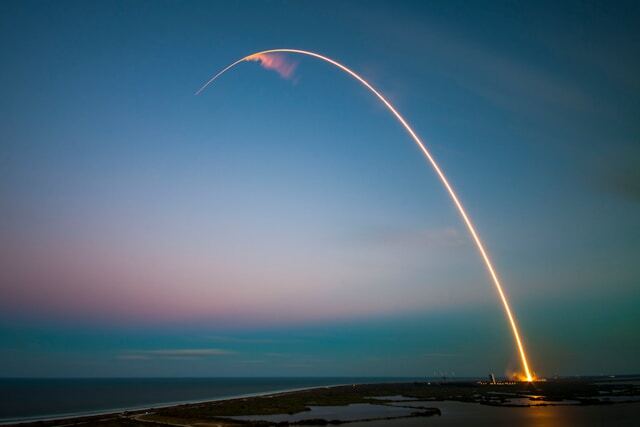
Google is moving to test artificial-intelligence hardware in orbit as part of a longer-term plan to build solar-powered data centers in space, CEO Sundar Pichai said. The company aims to launch two pilot satellites with Planet in 2027 under Project Suncatcher, and Pichai predicted orbital facilities could be a “normal” way to build data centers within about a decade. The push comes as hyperscalers pour money into AI infrastructure—Alphabet plans $175 billion to $185 billion in capital spending this year—amid questions about cost, debt loads, and the risk of overbuilding.
Rivals have similar ambitions. SpaceX has sought approval for a vast satellite network to handle AI-era data needs, while startup Starcloud launched an AI-equipped satellite in 2025 and projects significantly lower emissions versus terrestrial sites. Still, skeptics—including AWS CEO Matt Garman—question the practicality of lofting heavy server racks and maintaining them in orbit. Meanwhile, energy use is surging: U.S. data centers consumed more than 4% of national electricity in 2023 and could reach up to 12% by 2028, according to the Department of Energy. Google says it cut data-center emissions intensity even as usage rose, but environmental and economic risks—from space junk to stranded assets—shadow the industry’s extraterrestrial moonshots.
Related articles:
NASA Orbital Debris Program Office: Risks and mitigation for satellites and space infrastructure
Microsoft Emissions Impact Dashboard: Measuring cloud workloads’ energy and carbon impacts