









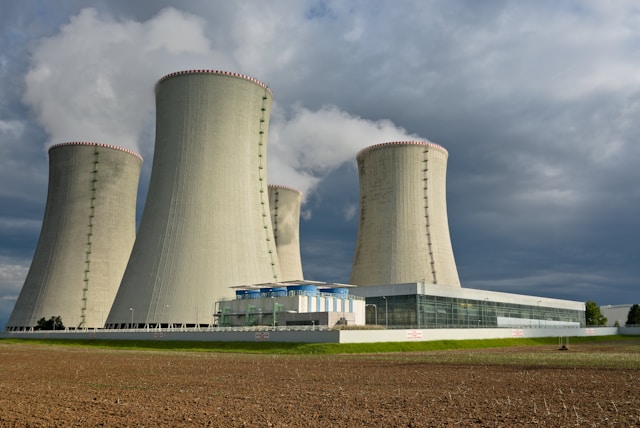
Microsoft unveiled a collaboration with Nvidia to apply artificial intelligence across the nuclear power lifecycle, aiming to ease persistent permitting delays and construction overruns that have hampered the sector’s growth. The companies said new tools on Microsoft’s Azure cloud—integrated with Nvidia’s Omniverse, Earth-2 and other AI stacks—will connect design, licensing, construction and operations data through high-fidelity simulations and digital twins. The approach is designed to make engineering decisions traceable and audit-ready for regulators while forecasting schedule and cost risks earlier. Early adopters cited sizable gains: Aalo Atomics reports a 92% reduction in permitting time and roughly $80 million in annual savings using Microsoft’s generative AI permitting solution; Southern Nuclear has rolled out Copilot-based agents to speed engineering and licensing workflows; and Idaho National Laboratory is automating assembly of complex safety analyses for federal review. Microsoft is expanding the ecosystem through partners such as Everstar and Atomic Canyon, whose offerings are available via Azure’s marketplace. The effort comes amid surging electricity demand from reindustrialization and data growth, and as policymakers press for firm, carbon-free capacity. The companies plan to detail the initiative at CERAWeek 2026.
Related articles:
NVIDIA Omniverse: Industrial digitalization and simulation platform
Azure Digital Twins: Create comprehensive digital models of physical environments
Microsoft Planetary Computer: Environmental data and AI at scale
U.S. DOE Office of Nuclear Energy: Programs and priorities