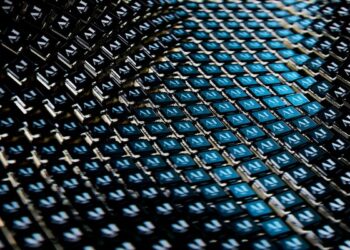










A surge in artificial-intelligence infrastructure is colliding with the nation’s deepening drought. Roughly two-thirds of 809 planned U.S. data centers are slated for areas that endured drought over the past year, according to a Guardian analysis of federal and industry data. The boom threatens to escalate competition for water as large facilities can consume up to five million gallons a day for cooling, with sectorwide annual water use projected to climb to about 73 billion gallons by 2028 from 17 billion in 2023. Developers are favoring cheaper, sparsely populated regions in the West and South—even as more than 60% of the contiguous U.S. faces drought conditions. Projects range from a 9-gigawatt complex in drought-hit Utah to a Meta facility in Louisiana that trades lower water use for higher power demand from gas-fired plants. Local resistance is growing over water and energy impacts, prompting proposed state reporting rules, cooling requirements, and even moratoriums. Industry groups say data centers coordinate with authorities, invest in conservation and infrastructure, and are shifting to closed-loop systems, though those may raise energy needs. With agriculture and electricity generation still the heaviest water users, legal and political battles over allocation are poised to intensify as AI expansion accelerates.
Related articles:
Making AI Less Thirsty: Uncovering and Addressing the Secret Water Footprint of AI Models
Data center
Droughts in the United States
Great Salt Lake